
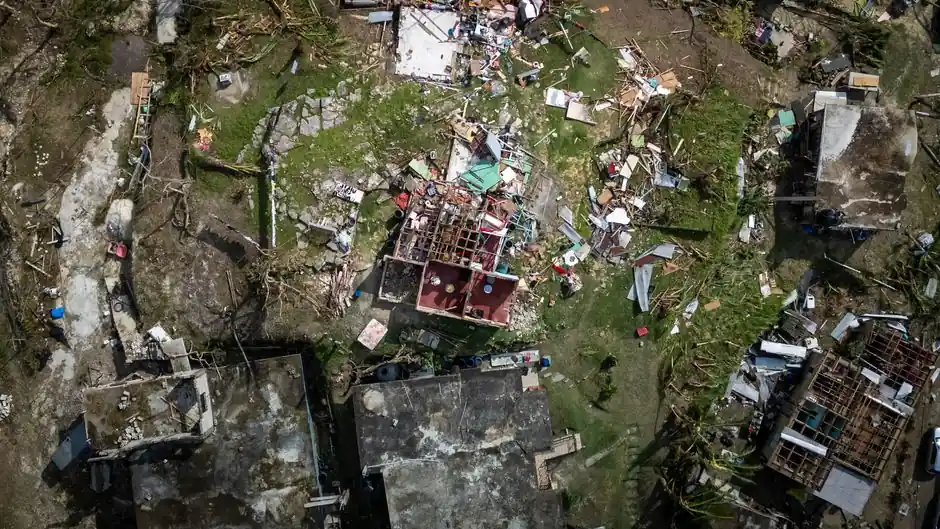
After a severe storm, your roof can suffer significant damage, leaving your home exposed to the elements. Emergency roof tarping is a crucial step to protect your property and prevent further damage. In this article, we'll cover essential steps for emergency roof tarping in Marietta, ensuring you know exactly what to do when disaster strikes.
Understanding the importance of immediate action can save you from costly repairs later. We'll discuss the best practices for tarping a roof after storm damage and when to call in the professionals.
Understanding Emergency Roof Tarping
Emergency roof tarping involves placing a waterproof tarp over damaged areas of your roof to prevent water from entering your home. This temporary solution is vital after storms that cause leaks or significant structural damage. In Marietta, where storms can be unpredictable, knowing how to tarp your roof can protect your home from further issues such as mold and interior damage.
Immediate Steps After Storm Damage
Once the storm has passed, take the following steps:
- Inspect your property for visible damage.
- Document the damage with photos for insurance claims.
- Assess the safety of your roof before climbing up.
- Gather necessary supplies for tarping.
In Marietta, many homeowners face challenges due to fallen branches or debris on their roofs. It's essential to ensure that your roof is safe to access before attempting any repairs or tarping.
How to Safely Tarp Your Roof
Follow these steps for effective and safe emergency roof tarping:
- Gather Supplies: You'll need a large tarp, roofing nails or staples, a hammer, and a ladder.
- Secure the Tarp: Lay the tarp over the damaged area, ensuring it extends at least 3 feet beyond the damage on all sides.
- Fasten the Tarp: Use roofing nails or staples to secure the tarp, ensuring it is tight to avoid flapping in the wind.
- Check for Leaks: After securing the tarp, monitor the area for any signs of leaks during subsequent rains.
For those unfamiliar with roofing work, consider hiring emergency roofing services marietta to ensure the job is done correctly.
Common Mistakes to Avoid
When performing emergency roof tarping, avoid these common mistakes:
- Using a tarp that is too small.
- Failing to secure the tarp properly, which can lead to further damage.
- Ignoring safety precautions, such as working in wet conditions or on slippery surfaces.
- Neglecting to check for additional damage before tarping.
Taking these precautions can save you from additional headaches and expenses down the line.
When to Call a Professional
While tarping can be a DIY project, there are times when it's best to call in the experts. If the damage is extensive or if you're uncomfortable working on your roof, contacting roof repair marietta professionals is advisable. They can assess the situation safely and provide long-term solutions.
Frequently Asked Questions
- What is emergency roof tarping in Marietta?
Emergency roof tarping is a temporary solution that involves covering a damaged roof with a waterproof tarp to prevent further water intrusion and protect the home until permanent repairs can be made. - How can I safely tarp my roof after storm damage in Marietta?
To safely tarp your roof, ensure you have the right supplies, secure the tarp tightly over the damaged area, and prioritize safety by checking the stability of your roof before climbing. - How long can I leave a tarp on my roof?
A tarp can be left on your roof for several weeks, but it's important to schedule permanent repairs as soon as possible to prevent long-term damage. - Will my insurance cover the cost of emergency roof tarping?
Many homeowners' insurance policies cover the cost of emergency roof tarping, but it's essential to check your specific policy details.
Get Help with Emergency Roof Repair in Marietta
If your home has suffered storm damage, don't hesitate to reach out for professional help. Contact us at +17705207963 for reliable emergency roof repair services in Marietta.